By Clay Crouch
October 13, 2026
Your roof is your home’s primary line of defense against the elements, working tirelessly day in and day out to protect your family, belongings, and structural frame from severe weather. Because it remains largely out of sight, however, subtle damage frequently goes unnoticed until water begins actively dripping through a ceiling light fixture or ruining interior drywall during a heavy downpour. According to aerial imagery analytics from Verisk, roughly 38% of residential homes across the U.S. feature roofs suffering from moderate to severe structural or surface issues.
1. Discovering Curling or Cupping Shingles
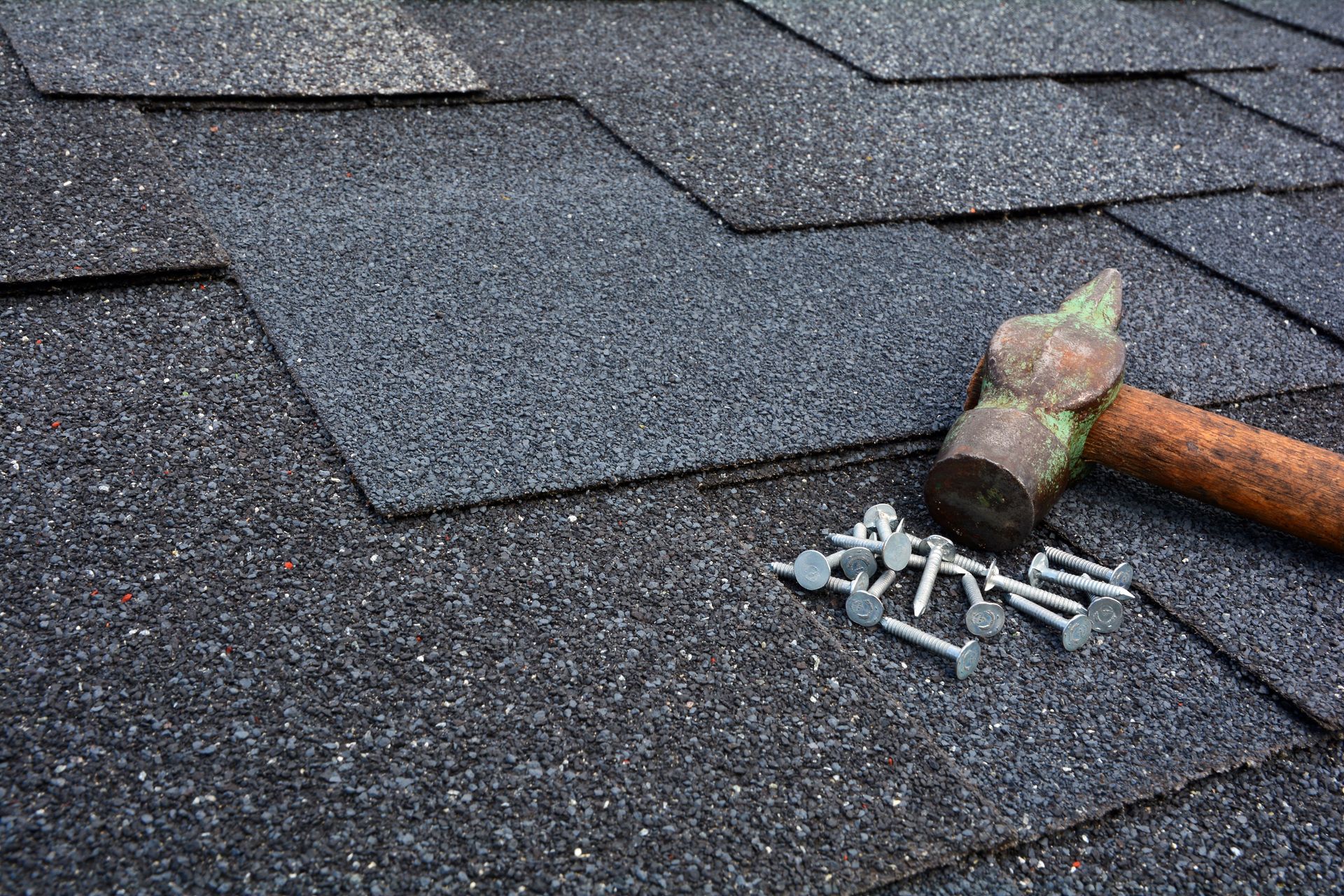
Individual shingles are engineered to lie flat against the roof deck, creating an overlapping, watertight seal across the entire surface. Over years of relentless exposure to intense solar radiation and seasonal temperature fluctuations, asphalt shingles gradually lose their natural oils and flexibility. When this occurs, you may begin noticing distinct forms of distortion across your roofline, primarily cupping and clawing. Cupping happens when the outer edges of the shingles turn upward, forming a concave dish shape that easily catches wind and traps water. Clawing occurs when the outer edges remain flat while the center section bulges upward.
Both forms of shingle curling indicate that the protective material has become brittle and unstable. Once shingles lose their flat orientation, strong wind gusts can easily catch the exposed edges, breaking the underlying adhesive seal and ripping them entirely away from the structure. Furthermore, curled edges allow wind-driven rain to seep directly under the primary layer, reaching the organic felt or synthetic underlayment underneath. Addressing distorted shingles early through timely roof repairs prevents water from reaching the underlying decking.
2. Noticing Excessive Granule Accumulation in Gutters
Asphalt shingles are coated with hard mineral granules designed to protect the underlying asphalt substrate from destructive ultraviolet rays, add fire resistance, and provide color styling. During the initial installation of a brand-new roof, it is completely normal to find a small amount of loose, excess granules washing down into your gutter troughs. However, if your roof is several years old and you suddenly clean out cups of coarse, dark sediment that looks like heavy black sand, your shingles are rapidly deteriorating.
As shingles lose their protective mineral coating, the bare asphalt underneath becomes directly exposed to sunlight, heat, and moisture. This raw exposure causes the remaining material to bake, crack, and dry out at an accelerated pace, leaving the roof vulnerable to rapid failure. While some shedding is normal on new roofs, heavy loss on older shingles signals urgent roof repairs are required.
3. Finding Moss, Algae, or Mold Growth
While dark streaks running down your roof are often just harmless dark algae blooms, green spongy clumps of moss or fungal mold present a far more serious threat to structural integrity. Moss thrives in damp, shaded sections of the roof where direct sunlight rarely reaches. Unlike simple algae, moss develops actual root systems that insidiously work their way underneath the edges of individual shingles, lifting them upward and breaking their factory seal.
Furthermore, moss operates like a dense sponge, trapping liquid against the roof surface for extended periods rather than allowing rainwater to shed naturally into the gutters. During winter months, this trapped moisture freezes and expands, cracking the shingles and forcing gaps wider. Over time, the constant moisture transfer causes wood rot in the underlying plywood sheathing. Clearing persistent moss and sealing affected areas are critical roof repairs that restore moisture resistance.
4. Spotting Sagging Roof Sections along the Ridgeline
A healthy roof structure should exhibit clean, straight, unbroken lines along its ridges, valleys, and eaves. Stepping across the street or standing at the edge of your driveway gives you a clear perspective to inspect the overall profile of your roofline. If you observe dips, visible depressions, or a noticeable bow along the main ridge, your roof structure is under severe distress and requires immediate expert evaluation.
Roof sagging is rarely a superficial shingle issue; it almost always points to structural failure occurring beneath the surface. Long-term, undetected water intrusion frequently rots the plywood decking boards, causing them to soften and sag under the weight of the roofing materials. In more severe cases, excessive snow accumulation or structural modifications may have overstressed the rafters and support trusses. Major structural sagging requires complex roof repairs to reinforce rafters before a structural collapse occurs.
5. Seeing Water Stains or Dark Spots on Ceilings
Interior warning signs are often the most urgent indications that your roof system has failed. Brownish water spots, discolored rings, peeling paint, or bubbling plaster on your top-floor ceilings and walls mean that water has already breached every exterior barrier. It is crucial to understand that gravity rarely sends water straight down; moisture frequently enters through a small shingle crack, travels horizontally along sloped roof trusses or insulation, and drops through the ceiling feet away from the actual roof entry point.
Ignoring a small ceiling stain because it seems dry during clear weather is a dangerous mistake. Trapped water inside attic spaces creates an ideal environment for toxic black mold growth, compromises structural ceiling joists, and ruins thermal efficiency by soaking attic insulation. Trace interior water damage back to its source quickly to perform localized roof repairs before mold takes hold.
6. Observing Flashing Damage Around Chimneys and Vents
Flashing consists of thin strips of galvanized steel, aluminum, or copper installed around roof joints, valleys, vertical wall intersections, and penetrations like chimneys, dormers, skylights, and plumbing vent pipes. Because these joints represent natural breaks in the continuous shingle pattern, they are naturally the most vulnerable points on any residential roof structure.
Over time, constant thermal expansion and contraction cause metal flashing to pull away from brickwork or wood siding. Dry rot can degrade the rubber boots surrounding plumbing vents, while exterior caulk and polyurethane sealants dry out, crack, and crumble away. Once flashing lifts or corrodes, water flows directly into the walls and framing of your home during rainfall. Replacing cracked sealant and bent flashing represents one of the most effective budget-friendly
roof repairs available.
7. Experiencing Unexplained Sudden Spikes in Energy Bills
Your roof system does much more than keep out rain; it plays a critical role in regulating your home's thermal performance and airflow. A properly constructed roof includes balanced intake and exhaust ventilation that allows heat and moisture to escape from the attic space, maintaining a consistent building envelope year-round.
If you notice a sudden, inexplicable increase in your monthly heating or cooling costs, your roof may be suffering from damaged ventilation ridges or degraded underlayment. In the summer, a poorly ventilated or damaged roof traps superheated air in the attic, forcing your air conditioning system to run continuously. In the winter, moisture trapped by poor roof ventilation destroys attic insulation quality, allowing warm air to bleed out through the roof.
8. Tracking the Age of Your Roofing System
Even high-quality roofing materials have a finite lifespan. In our experience, standard three-tab asphalt shingle roofs are typically designed to last between 20 and 25 years under ideal weather conditions, while architectural shingles may last slightly longer. If your current roof was installed two decades ago—or if previous homeowners installed a second layer of shingles over an existing roof—it is approaching the end of its useful design life.
As asphalt ages, it naturally loses its structural integrity, flexibility, and wind resistance, even if there are no obvious visual defects visible from the ground. Old shingles become extremely brittle, making them susceptible to cracking during temperature swings or lifting during moderate windstorms. Waiting until an aging roof experiences a catastrophic structural failure during a severe storm leads to expensive emergency water mitigation services.
Your roof is an intricate system of components that requires consistent attention and proactive maintenance to function effectively. By conducting regular ground-level visual inspections, monitoring your attic space for unwanted moisture, and responding quickly to early signs of degradation like curled shingles or damaged flashing, you protect your home from extensive water damage and structural failure.
If you've noticed any of these warning signs around your home, don't wait for the next heavy storm to take action. Contact the experienced professionals at BXC Roofing today to schedule a comprehensive roof evaluation. Our trusted team will identify hidden issues early and restore your roof's integrity, so your family stays safe and dry year-round.