By Clay Crouch
October 13, 2026
Water intrusion silently damages a home long before a ceiling drip appears, making early detection vital for long-term structural health. Detecting the exact origin of a leak requires professional skill, specialized tools, and structured inspection methods. Unaddressed moisture rots framing, destroys insulation, and promotes dangerous mold growth behind walls. While many homeowners ignore minor staining, persistent moisture compromises living spaces quickly. Engaging a reputable roofing company ensures that hidden pathways are tracked directly to their source. By understanding how detection works, property owners can stop structural decay early, protect interior finishes, and maintain high building value over many decades.
Examining Roof Integrity Through Professional Inspections
Regular structural evaluations stop hidden leaks before moisture spreads across interior ceilings and walls. According to The Hanover Insurance Group’s 2024 Home Maintenance Report, only 38% of surveyed homeowners had examined their roof’s integrity during the previous year. This widespread oversight allows hairline cracks, aged sealants, and loose flashing to go completely unnoticed until major ceiling damage occurs. A certified roofing company performs exhaustive top-down visual assessments, meticulously reviewing vulnerable points where water naturally collects or penetrates. Systematic physical inspections catch initial material degradation early, preventing minor atmospheric moisture from turning into costly interior restoration projects for unprepared property owners.
Tracing Water Pathways With Advanced Detection Tools
Water rarely enters directly above the ceiling spot where a drip eventually appears. Gravity, sloped rafters, and horizontal insulation layers redirect moisture along complex paths, masking the initial entry point. Professional technicians rely on moisture meters, infrared cameras, and electronic vector mapping to track fluid migration back to its origin. By pairing thermal imagery with physical probes, a roofing company isolates hidden moisture pockets tucked behind decking or interior drywall. Advanced diagnostic equipment eliminates destructive guesswork, allowing specialists to map exact moisture travel patterns across complex architectural layouts without causing unnecessary damage to healthy roofing materials.
Evaluating Flashing Vulnerabilities and Structural Seams
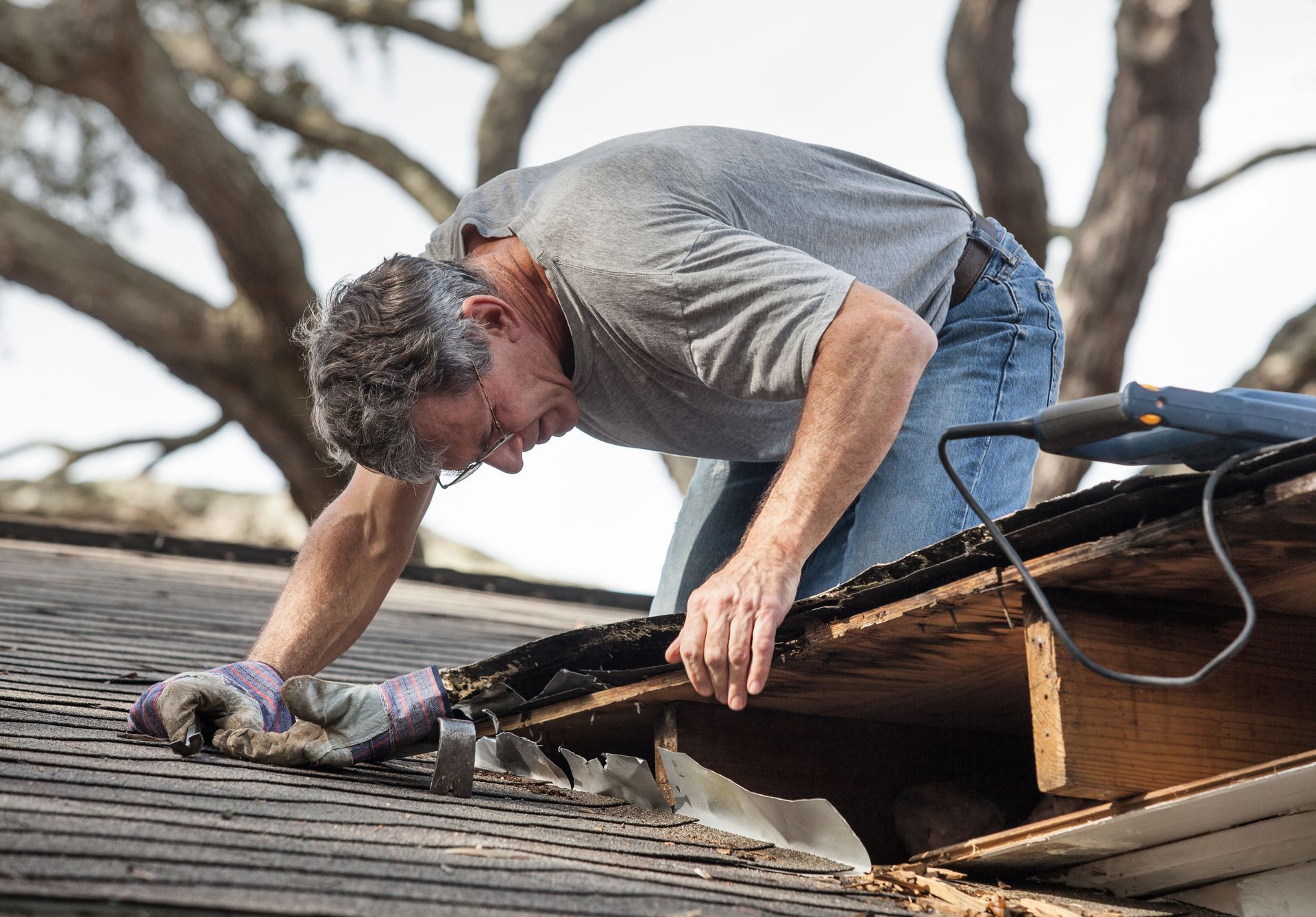
Metal flashing around chimneys, skylights, dormers, and roof vents represents the primary vulnerability for moisture entry. Over time, thermal expansion, severe storms, and degraded caulking cause these critical joints to separate from surrounding shingles. Moisture easily creeps beneath loose flashing, flowing down structural framing silently for months before detection. During an evaluation, an experienced roofing company scrutinizes every seam, counter-flashing strip, and rubber boot to verify tight seals. Restoring compromised transition metal stops drives rain from penetrating behind vertical walls, protecting sensitive wood framing and interior drywall from progressive decay and unseen rot.
Identifying Shingle Degradation From Environmental Wear
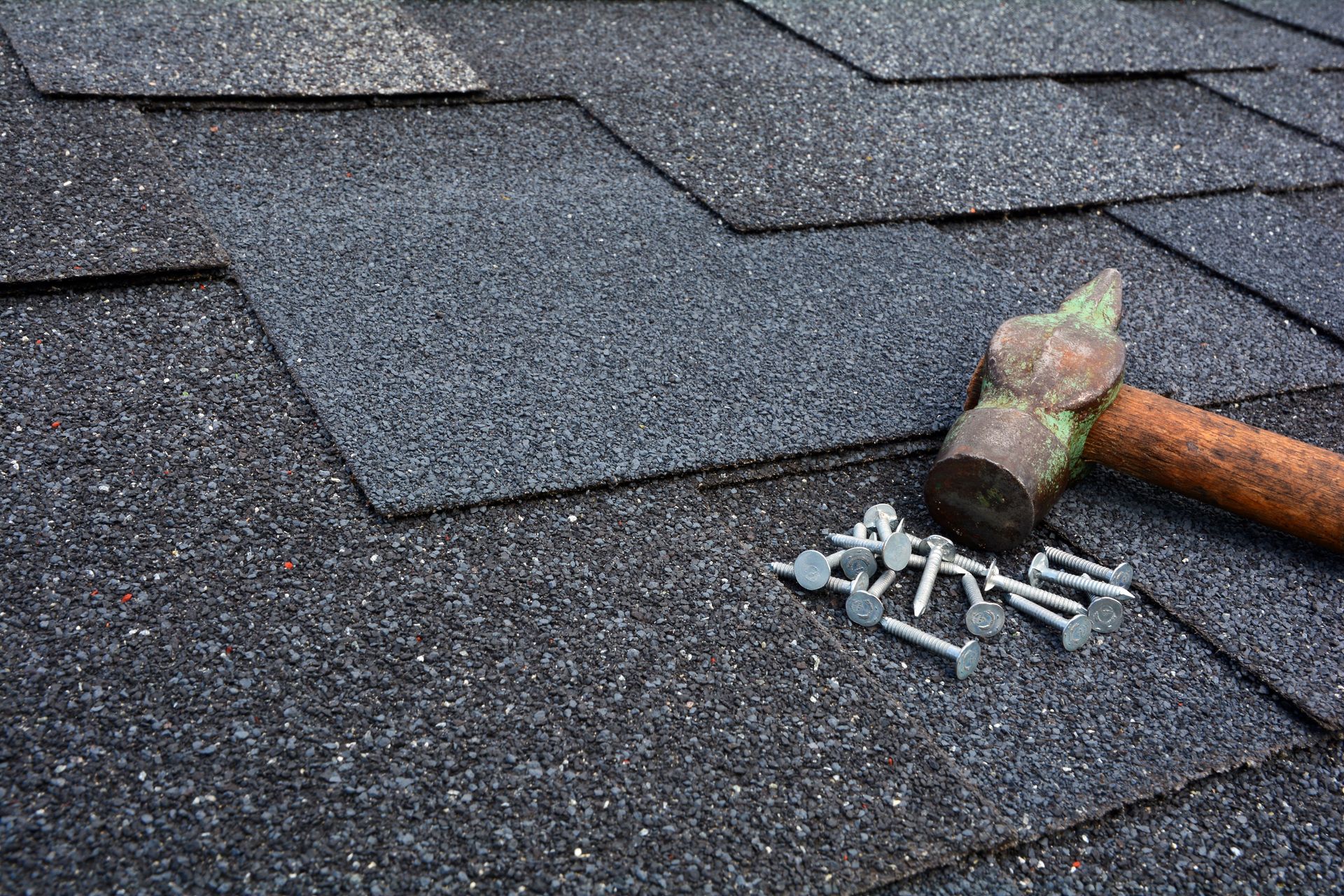
Harsh weather constantly erodes protective shingle granules, exposing underlying asphalt backing to intense sun and heavy rain. Strong wind gusts lift aging shingles, cracking their adhesive strips and creating direct entry paths for driven rainwater. Once asphalt materials lose flexibility, winter freeze-thaw cycles expand microscopic cracks into wide surface gaps. A qualified roofing company analyzes granule loss, curling edges, and broken tabs to gauge overall surface health accurately. Replacing compromised surface shingles promptly restores the primary drainage boundary, ensuring rainwater sheds cleanly into gutters rather than seeping into vulnerable roof decking below.
Analyzing Attic Conditions for Hidden Moisture Signs
Attics offer crucial clues regarding hidden roof leaks, revealing active dampness, warped plywood decking, and dark water stains. Inadequate ventilation traps warm moisture upstairs, causing vapor condensation that mimics active roof leaks on cold winter mornings. Trained specialists enter attic spaces to inspect insulation dampness, rafter condition, and underside wood decking thoroughly. A skilled roofing company distinguishes between indoor condensation problems and true exterior roof penetration points with complete precision. Proper attic diagnostics ensure that structural repairs target actual surface defects rather than ventilation imbalance, saving homeowners time and money on unnecessary surface replacements.
Conducting Controlled Water Testing on Vulnerable Surfaces
When visual checks and thermal imaging yield ambiguous results, controlled water testing provides definitive proof of penetration points. Technicians isolate small roof sections, applying low-pressure water streams systematically from the lowest eaves up to the ridge. One technician monitors the exterior surface while another tracks interior moisture movement in real time using sensitive gauges. A thorough roofing company utilizes isolating water tests to isolate stubborn leak sources that manifest only during prolonged storms. This methodical isolate-and-test process verifies exact leak boundaries, guaranteeing that subsequent structural repairs address every active entry point completely.
Preventing Structural Damage Through Timely Leak Repairs
Identifying moisture intrusion early saves thousands of dollars in structural wood repairs, dry rot restoration, and mold remediation. Once water saturates wooden rafters, structural integrity degrades rapidly, risking dangerous ceiling sagging or eventual framing collapse. Prompt detection enables targeted spot repairs, extending overall roof lifespan without requiring complete tear-offs prematurely. Partnering with a licensed roofing service guarantees that repairs utilize durable materials, tight sealants, and proper flashing techniques. Timely intervention halts ongoing decay, preserves indoor air quality, and ensures the home remains fully protected against heavy seasonal storms for years to come.
Assessing Gutter Alignment With Roof Drainage Systems
Improperly sloped or clogged gutters cause rainwater to pool along the lower roof edge rather than draining away safely. Standing water eventually backs up beneath the lowest shingle courses, penetrating vulnerable fascia boards and underlying roof decking over time. Debris accumulation also forces water toward the structure during heavy downpours, leading to subterranean foundation erosion and upper wall dampness. A skilled roofing service checks eave conditions, drip edge orientation, and gutter slopes to confirm that rainwater flows freely off the home. Correcting perimeter drainage defects keeps driven rain moving away from sensitive wooden structural elements during intense weather.
Uncovering Flat Roof Membrane Breaches Through Testing
Flat and low-slope roofing systems rely on continuous synthetic membranes to prevent water penetration across vast horizontal planes. Small punctures, open seam laps, or blistering can allow standing rainwater to creep underneath the outer layer, saturating sub-roof insulation boards. Electronic leak detection systems test conductivity across the surface, locating tiny membrane breaches that remain completely invisible to the naked eye. An experienced roofing service pinpoints these subtle membrane failures quickly without damaging healthy underlying materials. Promptly sealing microscopic seam gaps restores the waterproof barrier, keeping flat roof structures sturdy and dry through changing seasonal conditions.
Investigating Valley Failures From Heavy Debris Accumulation
Roof valleys collect maximum water volume during heavy rainstorms, guiding intense runoff down toward lower gutter drainage networks. Leaves, pine needles, and branches often accumulate in these natural channels, trapping moisture against shingle edges and deteriorating underlying valley linings. Over time, friction from trapped debris wears away protective coatings, allowing water to seep beneath flashing layers and rot rafter framing. A specialized roofing service cleans out compacted debris, inspects metal valley linings, and replaces damaged underlayment strips thoroughly. Maintaining clean, open valley channels ensures high-volume runoff flows smoothly off the structure without entering interior ceiling spaces.
Water intrusion poses a continuous threat to residential structural stability, but proactive leak detection effectively stops damage at its source. Utilizing thermal imaging, visual assessments, and attic evaluations ensures every hidden vulnerability is accurately identified and corrected. Ignoring minor signs allows moisture to undermine framing, ruin insulation, and compromise healthy indoor environments. Regular professional oversight keeps protective barriers completely intact through every season. Investing in thorough diagnostic procedures shields property values, prevents massive emergency repair bills, and maintains total peace of mind for diligent homeowners over long periods.
Are you seeking a reliable roofing company in Tyler, TX, and the surrounding areas? At BXC Roofing, we provide roofing repairs, installation, replacements, and more! Contact us today to schedule your next service appointment.