By Clay Crouch
November 13, 2026
A roof protects the home from rain, wind, and changing temperatures, but even a well-maintained system eventually experiences wear. When shingles loosen or a leak appears, homeowners may wonder whether the problem calls for a targeted fix or an entirely new roof. The right choice depends on more than the appearance of one damaged area. Age, material condition, the extent of moisture intrusion, and the roof's history all influence how well it can continue protecting the home. Understanding these factors helps homeowners recognize when roof repairs remain practical and when replacement deserves consideration.
Recognizing Damage That May Be Repairable
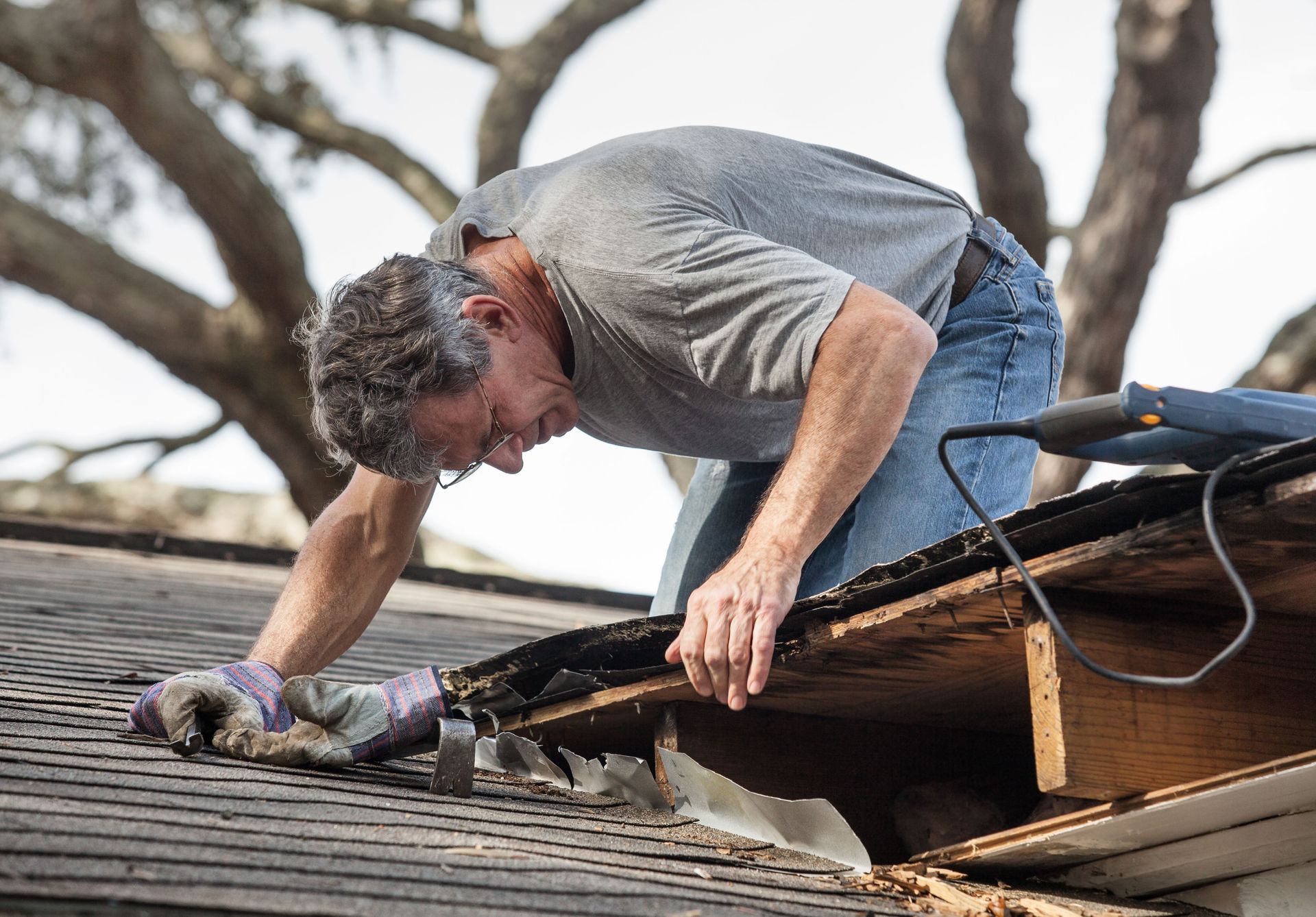
Many roofing problems begin in a limited area. A storm might dislodge several shingles, while deteriorated flashing around a chimney, vent, or skylight may allow rain to enter. If the surrounding roofing system remains sound, a professional may be able to correct the affected section without replacing everything. The critical distinction is whether the visible damage represents an isolated defect or one example of deterioration occurring elsewhere.
Small leaks still require attention because water can travel beneath roofing materials before reaching an interior ceiling. Stains, peeling finishes, or damp attic materials may appear far from the entry point. A thorough inspection helps determine how far moisture has spread and whether the underlying decking or other components have been affected. Roof repairs are most likely to be effective when the source of the problem is identifiable and the remaining materials are in suitable condition.
The circumstances matter, too. A newer roof harmed by one storm differs from an older system that repeatedly loses shingles. Professional evaluation helps distinguish those cases without assuming that every leak requires a complete replacement.
Why Roofing Materials and Repair Quality Matter
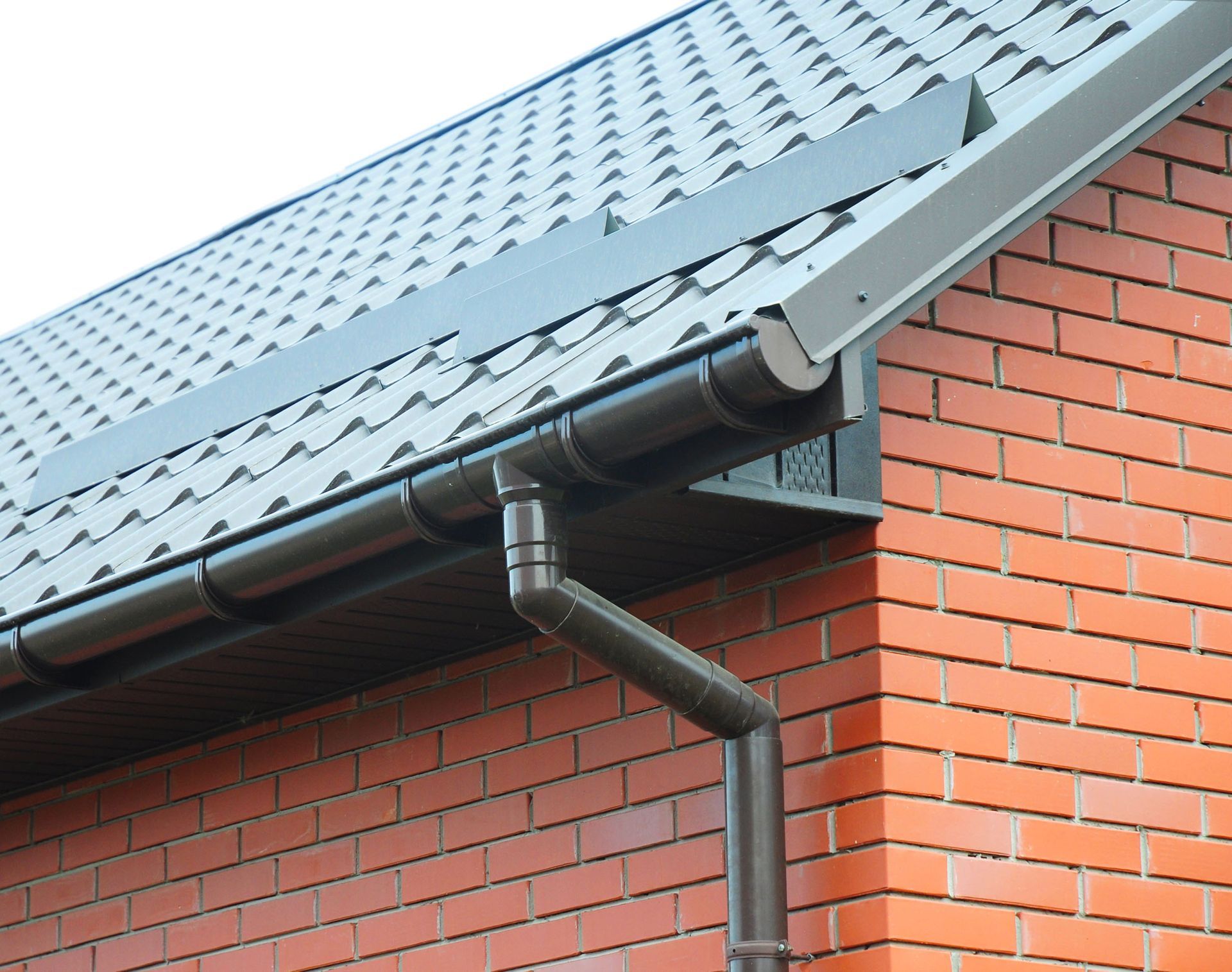
Not all roofs respond to damage in the same way. Asphalt shingles, metal components, and flat-roof membranes have different characteristics, and each system requires materials compatible with its construction. Flashing plays an especially important role near roof penetrations and transitions, where gaps can create pathways for moisture. Selecting the wrong repair material or overlooking an adjacent weakness may leave the underlying problem unresolved.
Weather exposure also affects how well an existing roof can accommodate new work. Repeated cycles of heat and cold can make some materials brittle, while prolonged sunlight and storms gradually reduce their resilience. Even if an individual section can be patched, surrounding materials must be capable of supporting a dependable result. Roof repairs should address the source of deterioration rather than merely conceal its most noticeable symptom.
The effectiveness of professional work depends on accurate diagnosis and appropriate techniques. A repair history helps reveal whether recurring trouble points to broader problems. Conversely, a single successful intervention on an otherwise healthy roof may allow the system to continue performing as intended for years.
When Age and Widespread Wear Favor Replacement
Every roofing material has an expected service life, but that estimate is not an automatic replacement deadline. Installation conditions, weather, ventilation, and maintenance can affect how a roof ages. The strongest warning sign is often age combined with deteriorating performance. Widespread cracking, curling shingles, extensive granule loss, or recurring leaks may indicate that individual sections are no longer holding up as they should.
Damage extending across several slopes makes the repair-versus-replacement decision different from one involving a single missing shingle. A patch may correct a particular opening, but it cannot restore the strength of worn materials throughout the roof. When new problems emerge in different locations, repeated roof repairs may do little to change the overall condition of the system.
Roofing professionals can determine whether existing materials still offer reliable protection. Replacement becomes more compelling when deterioration is extensive enough that correcting individual defects would leave substantial weaknesses behind. The goal is to select an approach that matches the remaining condition of the roof, rather than relying on age or appearance alone.
Structural Concerns and Persistent Moisture
Some warning signs extend beyond surface wear. Sagging sections, visibly damaged decking, or evidence of prolonged water intrusion may indicate that the roof's supporting materials have been compromised. Water stains and musty odors inside a home are additional reasons to investigate, especially when they recur after previous work. These conditions do not prove that replacement is necessary, but they call for prompt professional assessment.
The spread of moisture is particularly important. Water entering through a small opening can affect insulation, wood, and interior finishes over time. Treating the exterior opening without understanding concealed damage may leave important concerns unresolved. A contractor can evaluate whether roof repairs will adequately restore the system or whether deterioration extends too widely for localized work to be dependable.
Severe weather can also create a mixture of visible and hidden damage. Missing shingles may be obvious from the ground, while loosened connections or damaged underlayment are harder to identify. Structural stability and the extent of affected materials should take priority over cosmetic appearance when determining the appropriate response.
Considering Long-Term Performance and Comfort
Roof replacement can offer benefits beyond restoring a watertight surface. It allows the roofing system to be evaluated as a whole, with attention to materials, ventilation, and insulation where appropriate. Better-performing components may support more consistent indoor temperatures and improve resistance to future weather exposure. Those results depend on the home's existing conditions and the particular system installed; replacement should not be treated as a guarantee of energy savings.
According to IBISWorld, the U.S. roofing contractors industry has a market size of approximately $103.6 billion in 2026. Across this substantial industry, professionals work with different materials and roofing conditions, reinforcing the importance of recommendations suited to the individual property. The central question remains whether the existing system can deliver reliable performance or has deteriorated beyond what targeted work can reasonably address.
Homeowners considering additional work should also assess how long the surrounding materials may remain functional. If the roof still has substantial service life, focused intervention may make sense. If deterioration is widespread, replacement can provide a more comprehensive solution to problems that otherwise might continue appearing.
Making a Decision That Fits the Home
A roof's condition should guide the choice, but the home's broader needs matter as well. Owners planning to remain in a property for years may place particular importance on the reliability of the entire system. Those preparing to sell may also want a clear understanding of the roof's condition because visible deterioration and unresolved leaks can raise concerns during a property evaluation. Neither situation automatically calls for replacement.
Professional inspections help bring the decision into focus by considering the age of materials, past damage, current moisture concerns, and the extent of any structural deterioration. A clear explanation of what remains sound is just as useful as identifying areas that have failed. When roof repairs can address limited damage effectively, replacing an otherwise serviceable roof may be unnecessary. When the problems are widespread or recurring, a full replacement may be the more appropriate way to restore dependable protection.
The best roofing decision comes from understanding what is happening across the entire system, not simply reacting to the most visible sign of damage. With a careful assessment, homeowners can choose an approach that supports their home's protection and long-term condition. At BXC Roofing, we help homeowners navigate roofing concerns and understand their options. Contact us to discuss the condition of your roof and the next steps that may be appropriate for your home.